A commercial construction project succeeds or fails long before the first wall is framed. The decisions made during planning, design, and budgeting determine whether the project maintains its schedule and cost, or incurs delays and change orders that could have been prevented. The phases below outline how a commercial project moves from concept to occupancy and where the outcome is ultimately decided.
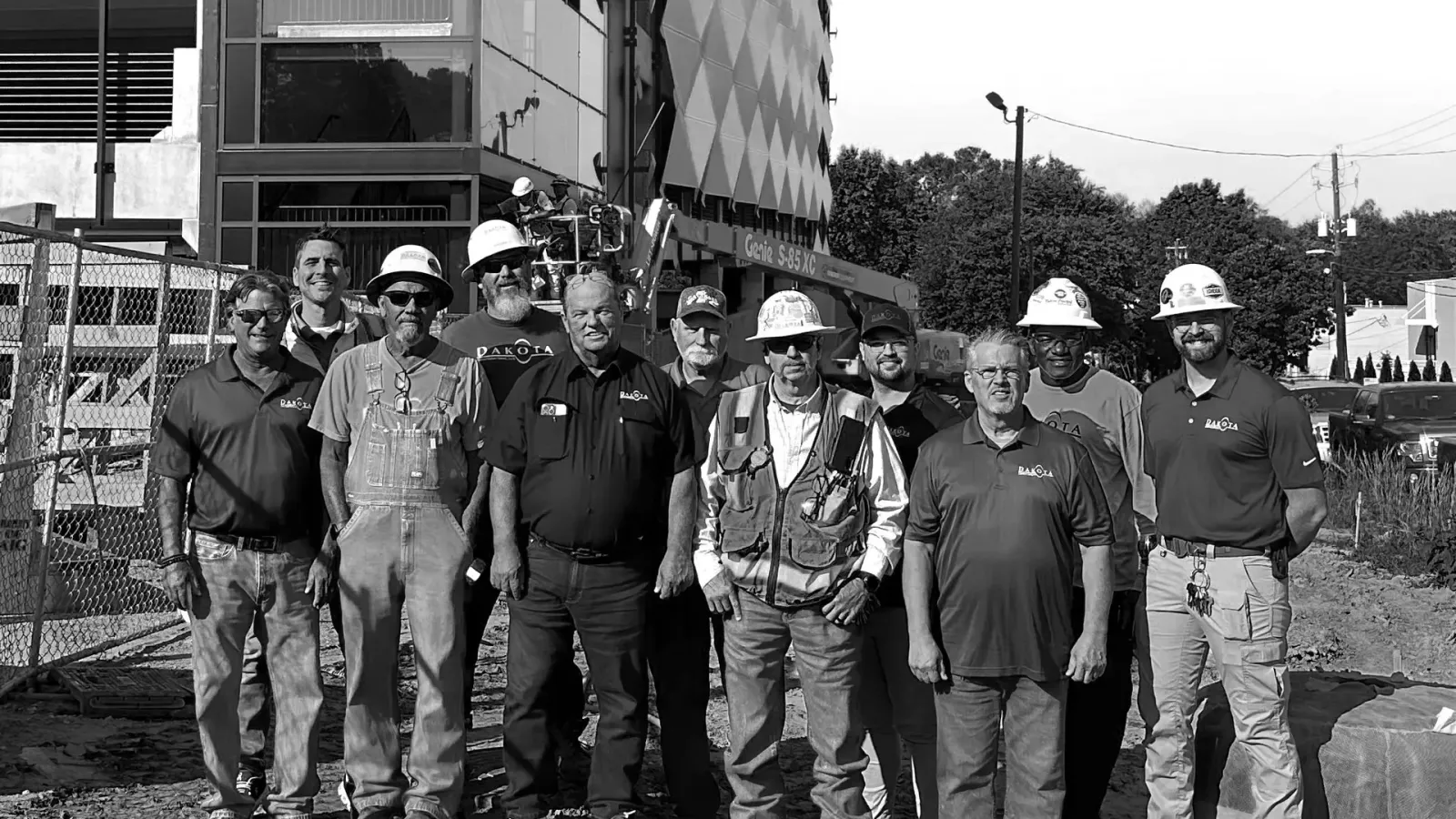
Dakota Contractors has delivered commercial projects across Metro Atlanta since 1998.
Phase 1: Preconstruction
Preconstruction is the most consequential phase and the most frequently underused. It is the work of defining scope, budget, schedule, and constructability before design is finalized, while changes remain inexpensive and every option is still open.
Preconstruction Services align the project's ambitions with its budget when alignment is still free. Cost drivers are identified, existing conditions are assessed, long-lead items are flagged, and the budget is pressure-tested against the design intent. Engaging a contractor at this stage, often before drawings exist, is what separates a project that stays on budget from one that discovers its true cost in the field.
Phase 2: Design and design development
Design translates intent into documents. Whether delivered through a traditional architect-led model or an integrated Design-Build approach, this phase converts program requirements into drawings and specifications that define the work.
The integration between design and construction expertise matters here. When constructability and budget are evaluated alongside the design rather than after it, costly revisions are avoided, and the documents that reach the field are buildable as drawn. Design-Build consolidates this responsibility under a single accountable team, which compresses the schedule and removes the gaps where errors accumulate.
Phase 3: Existing-conditions capture
For renovations, tenant improvements, and adaptive reuse, the accuracy of existing-conditions data governs the accuracy of everything downstream. Manual measurement introduces error, and the error introduced early becomes change orders later.
Matterport 3D laser scanning captures the existing space as a dimensionally precise digital model that architects and estimators can build directly from. The result is a design grounded in measured reality and a budget that reflects the space as it actually exists, not as it was assumed to be.
Phase 4: Permitting and approvals
Permitting brings the project into compliance with jurisdictional requirements, which vary across Metro Atlanta. Building permits, zoning approvals, ADA accessibility, fire and life-safety review, and energy code compliance each carry time and cost. Experienced local management of this phase prevents the delays that arise when documentation is incomplete or requirements are discovered late. The objective is a permit set that anticipates the reviewer's questions before they are asked.
Phase 5: Procurement and buyout
Procurement converts the budget into committed contracts. Subcontractors and trade partners are selected, scopes are confirmed, and materials are ordered against the schedule. Long-lead items identified during preconstruction are secured here to protect the timeline.
The strength of a contractor's trade partner relationships is decisive in this phase. Established relationships produce competitive pricing, reliable scheduling, and accountable workmanship. A general contractor with the resources of a large firm and the engagement of a small one secures both.
Phase 6: Construction
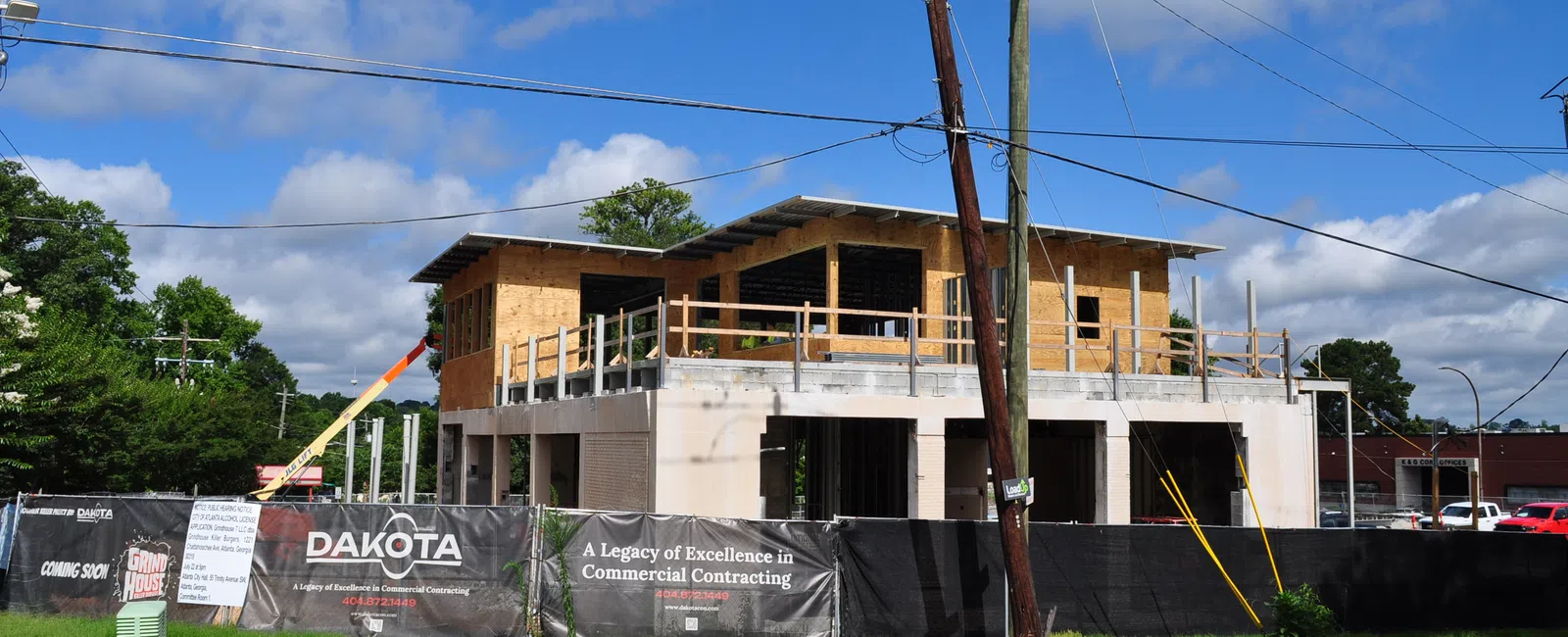
Construction is execution, and execution is coordination. Field work, trade sequencing, quality control, schedule management, and safety converge under active Construction Management. The quality of management in this phase determines whether the plan established in preconstruction is realized.
For projects within occupied buildings, this phase requires phased work, off-hours labor, and containment that maintains operations throughout. Disciplined management keeps the project on schedule and the surrounding business running.
Phase 7: Commissioning, closeout, and occupancy
The final phase confirms that the building performs as designed and transfers it to the owner, ready for use. Systems are commissioned and tested, punch lists are completed, inspections are passed, and documentation, warranties, and operational guidance are turned over. A disciplined closeout is the difference between a project that ends cleanly and one that lingers in unresolved items after occupancy.
Where commercial projects are won
The visible work of a commercial project is construction. The decisive work is everything that precedes it. Budgets hold when preconstruction is taken seriously, designs are buildable when construction expertise informs them, and schedules are met when existing conditions are measured rather than assumed.
This is the principle on which Dakota is built. Dakota delivers the full lifecycle of commercial construction across Metro Atlanta with the attention of a small contractor and the resources of a large one.
Begin your project with Dakota
Engage Dakota during preconstruction, when the budget and schedule are still open to shape. Provide details of your project and timeline, and our team will define a path from concept to occupancy tailored to your specific scope.